In an age where every pixel counts, finding the right streaming service to deliver those breathtaking high-definition (HD) movie experiences is paramount for cinephiles. You want crisp images, vibrant colors, and cinematic immersion that transports you right into the story, not pixelated frustration. But with a sea of options, from well-known subscription giants to an ever-growing list of free platforms, how do you sort the truly stunning from the simply "okay"?
This guide cuts through the noise, offering a comprehensive look at what makes a streaming service truly shine for HD movies. We’ll empower you to make informed choices, understand the nuances of picture quality, and most importantly, stay safe while enjoying your favorite films.
At a Glance: Your Quick Guide to Streaming HD Movies
- True HD vs. Free HD: Understand that while many free services offer "HD," it often means 720p. Premium paid services consistently deliver 1080p Full HD, and increasingly, stunning 4K Ultra HD with HDR.
- Legal vs. Risky: Always prioritize legal streaming platforms. Illegal sites carry significant risks, including malware, privacy breaches, and potential legal trouble.
- Top Legal Free Options: Services like Tubi, Freevee, and Peacock TV offer a fantastic selection of movies and shows, though usually with ads and often limited to 720p HD.
- Your Safety Net: A reliable VPN is non-negotiable for anyone exploring free streaming, protecting your privacy and circumventing geo-restrictions. Ad blockers and antivirus software are also crucial.
- Making Your Choice: Consider content library, picture quality (720p, 1080p, 4K), ad frequency, and geo-availability when picking your go-to service.
The HD Dream: What "High Definition" Really Means for Movies
When we talk about "stunning picture quality" for HD movies, we're actually talking about a spectrum. The term "HD" itself typically refers to 720p (1280x720 pixels) or 1080p (1920x1080 pixels), often called Full HD. Beyond that, the true gold standard today is 4K Ultra HD (3840x2160 pixels), which offers four times the resolution of 1080p, often paired with HDR (High Dynamic Range) for richer colors and contrast.
While many paid subscription services like Netflix, Disney+, Max, and Amazon Prime Video are the champions of 1080p and 4K HDR content, our focus here delves into the popular demand for accessible, often free, options that still aim to deliver a good HD experience. It's important to set expectations: free services might hit 720p HD consistently, with some offering 1080p, but true 4K HDR is almost exclusively the domain of premium paid platforms. Regardless of your choice, knowing how to [Stream high-definition movies] safely and effectively is key.
Navigating the Free Streaming Maze: Why Caution is Your Best Co-Star
The allure of "free" is powerful, especially when it comes to entertainment. Free streaming websites promise a vast library of movies and TV shows without a subscription fee. However, this accessibility often comes with a significant trade-off: legality and security risks. Most free streaming sites operate in a legal gray area, if not outright illegally, because they host copyrighted content without proper licensing.
Engaging with such sites exposes you to:
- Malware and Viruses: Many illegal streaming sites are notorious for hiding malicious code in their ads, pop-ups, or even directly in their video players. One wrong click could infect your device.
- Privacy Breaches: These sites often track your online activity, collect personal data, and may even expose your IP address to third parties, including your Internet Service Provider (ISP).
- Copyright Infringement Notices: Your ISP might send you warnings if they detect you accessing pirated content, which could lead to service throttling or even legal repercussions in extreme cases.
- Aggressive Advertising: Expect an onslaught of intrusive pop-ups, redirects, and unskippable ads that degrade the viewing experience.
Is Free Streaming Legal? A Clear Breakdown
Understanding the legal landscape is crucial before you start clicking play.
- Legal Free Streaming: This is possible and recommended! If a platform has acquired proper licenses for its content, it's legal, even if it's ad-supported or offers a free tier. These are legitimate businesses providing a service. Think of legal free platforms as similar to watching broadcast TV — you don't pay directly, but you watch ads.
- Example: Watching a movie on Tubi or Freevee is legal because these companies have paid for the rights to distribute that content, and they monetize through advertising.
- Illegal Free Streaming: This is where the risks lie. A site is illegal if it hosts copyrighted content without permission or streams media without the necessary licenses or rights. Using such sites can inadvertently make you complicit in piracy.
- Example: Streaming a brand-new blockbuster movie on a site that popped up overnight and asks for no payment is almost certainly illegal. The content is pirated.
- Rule of Thumb: If it feels too good to be true (e.g., brand-new movies for free with no ads), it probably is. Avoid new releases on unverified platforms, as these are frequently illegal. Older films, documentaries, or content blocked geographically but not explicitly illegal in your country might be safer, but caution is still advised.
Your Go-To List: Top Legal & Safer Free Streaming Services for HD Movies
Based on extensive testing, these platforms stand out as legitimate and safer options for free streaming, offering a range of HD content, often with regional restrictions and ad-supported models. Remember, "HD" here primarily means 720p, though some offer 1080p.
- Tubi: Owned by Fox Corporation, Tubi is a fantastic, completely free video-on-demand (VOD) service. It boasts thousands of TV series and movies across a wide array of genres, requiring no subscription or registration. While ad-supported, the ad breaks are generally manageable.
- HD Quality: Max 720p HD.
- Availability: Primarily US-only, but accessible via a reliable VPN.
- Highlights: Huge library, diverse content, user-friendly interface.
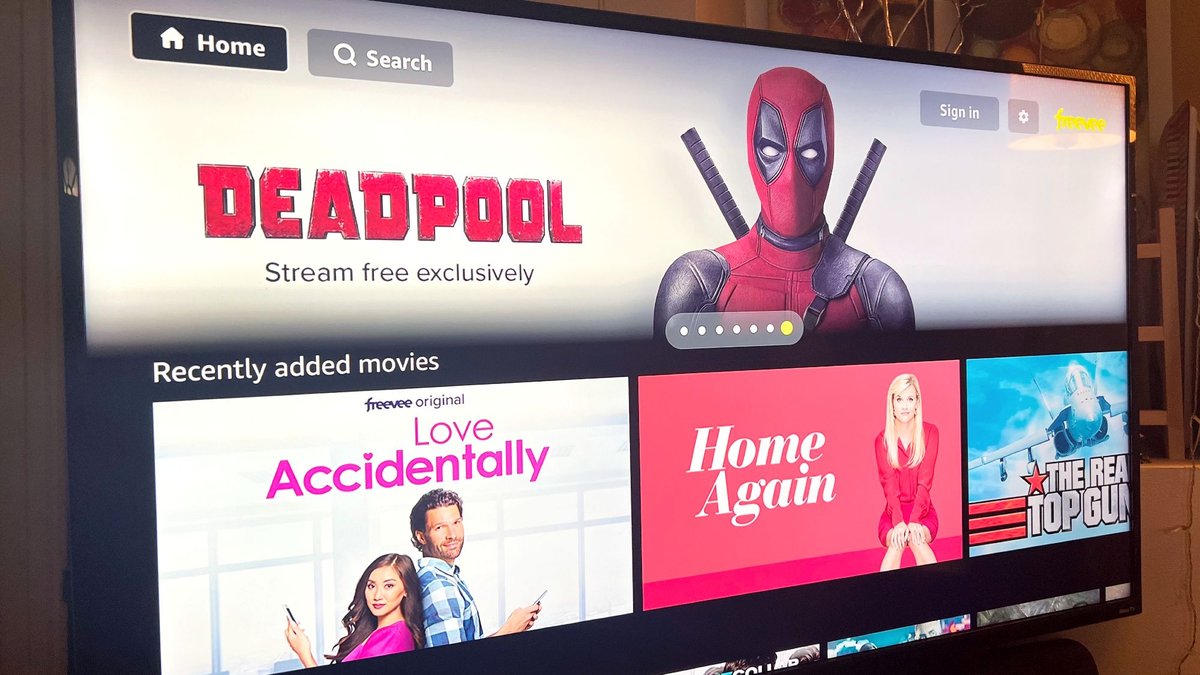
- Freevee (formerly IMDb TV): An Amazon-owned and operated service, Freevee offers a legal way to watch films, documentaries, and original Freevee series. Like Tubi, it's ad-supported and requires an Amazon account.
- HD Quality: Good HD quality, often 1080p for newer content.
- Availability: Limited to the US and Germany, accessible with a VPN.
- Highlights: Integrates well with the Amazon ecosystem, offers quality original content.
- Peacock TV (Free Tier): NBCUniversal's streaming service offers a generous free tier alongside its paid subscriptions. You'll find a selection of content, including news, sports, and popular shows. Video playback is generally smooth, with moderate ad frequency (around 5 minutes per hour).
- HD Quality: Often 1080p for much of its content.
- Availability: US, UK, Germany, Switzerland, Austria, Italy, and Ireland. A VPN can help if you're outside these regions. Account creation is required.
- Highlights: Access to NBCUniversal content, smooth playback.
- Fandango At Home (formerly Vudu) - "Movies on Us": Known primarily for its rental and purchase options, Fandango At Home also features a "Movies on Us" section offering free, ad-supported films. It's notably less aggressive with ads compared to some other free services, and you don't need an account or a monthly subscription.
- HD Quality: Offers content in up to 1080p HD.
- Availability: US-only, but a VPN can provide access.
- Highlights: Lower ad intrusion, no account needed for free content.
- Sony Crackle: Owned by Sony, Crackle offers a deep library of classic blockbusters, comedy specials, documentaries, and original series. It's ad-supported, with up to six 30-second unskippable ads per break.
- HD Quality: Good HD streaming.
- Availability: US-only, accessible with a VPN.
- Highlights: Extensive collection, especially strong for older, well-known titles.
- XUMO TV: Provides access to over 190 channels, including live TV and VOD content, all without registration. It's ad-supported but generally offers high-quality streams.
- HD Quality: High-quality streams.
- Availability: Canada, US, UK, France, Italy, Brazil, Germany, Mexico, and Spain. VPN recommended for global access.
- Highlights: Live TV channels, diverse VOD library, no sign-up needed.
- YouTube (Free Films): The most popular video platform globally also hosts hundreds of free, legal films from various channels. You can watch with or without a Google account. Ad frequency varies significantly by channel and content.
- HD Quality: Many free films are available in 1080p HD.
- Availability: Globally accessible on virtually all devices.
- Highlights: Enormous variety, easy access, widely compatible.
- Kanopy: This platform is designed for educational resources, requiring a valid library card from a supported library or a university email address. It’s entirely ad-free during playback and supports unlimited simultaneous devices.
- HD Quality: Offers HD streaming.
- Availability: Global where a library or university card is accepted.
- Highlights: Ad-free, high-quality, educationally focused content, excellent for documentaries and classic cinema.
- FilmRise: With over 20,000 known titles, FilmRise offers a legal, free, and registration-free streaming experience, particularly strong in its movie collection. It's available as an app on various devices.
- HD Quality: Good HD quality.
- Availability: Library varies by country; a US VPN is often needed for full access.
- Highlights: Large movie catalog, no registration required.
- Filmzie: A transparently owned source for Full HD films. Its library is somewhat limited, focusing on low-budget horror and action, but it's known for "hidden gems." Short ads play at the beginning of films.
- HD Quality: Full HD.
- Availability: Legally available in the UK, US, France, and Germany; a VPN can expand access.
- Highlights: Full HD content, niche genres, legal and transparent.
- Plex: While primarily known as a media server, Plex has expanded into a popular free streaming service, offering a diverse range of movies, shows, and live TV channels without registration. Its ad model is generally unobtrusive.
- HD Quality: Good HD quality.
- Availability: Global, VPN recommended for optimal experience.
- Highlights: Acts as a media organizer and a free streaming hub, diverse content.
- Rakuten Viki: A go-to service for Asian content (Japanese, Korean, Taiwanese, Chinese dramas and films). The free tier is ad-supported and provides high-quality, subtitled videos translated into over 150 languages.
- HD Quality: HD quality, often 1080p.
- Availability: Primarily US; a VPN can help. Requires disabling ad blockers.
- Highlights: Vast library of Asian content, excellent subtitles, strong community.
- The Roku Channel: Offers Roku originals and other licensed titles for free, without requiring an account. Its ad-supported model is legitimate and generally not disruptive.
- HD Quality: HD quality.
- Availability: Library may be geographically restricted; a VPN can bypass this.
- Highlights: Roku original content, legitimate ad model, no sign-up needed.
- Pluto TV: Owned by ViacomCBS, Pluto TV provides hundreds of live channels (around 200 in the US) and on-demand content, all ad-supported and without the need for registration.
- HD Quality: Good HD quality.
- Availability: US, UK, and parts of Europe; a VPN helps for other regions.
- Highlights: Extensive live TV channels, no registration, wide variety.
- Bounce TV: A legal, ad-supported platform offering HD quality content. It caters to a specific niche, focusing on the African-American community with a curated catalog.
- HD Quality: HD quality content.
- Availability: Primarily US-focused.
- Highlights: Niche content, high quality, legitimate.
The Red Flags: Popular Free Streaming Sites to Approach with Extreme Caution (or Avoid Altogether)
While the appeal of watching the latest movies for free is undeniable, many popular sites fall into a category that is either illegal, rife with security risks, or both. These sites often host copyrighted content without permission, leading to potential malware infections, intrusive advertising, and privacy concerns. We strongly recommend you avoid these platforms or use them with extreme caution and robust security measures.
Here’s a snapshot of common risks associated with such sites:
- Malware & Viruses: Sites like 123Movies and 123Chill have been detected with malware in testing. Clicking on their links or playing videos can lead to infections.
- Aggressive Pop-ups & Ads: Platforms like SolarMovie, SpaceMov, YesMovies, FMovies, and SFlix are infamous for their deluge of pop-up ads, floating ads, and redirects, often leading to harmful sites.
- Lack of Distribution Rights: Many, including WatchFree, HiMovies, StreamM4u, and Cineb, operate without the legal rights to distribute the content they offer, making them illegal.
- Data Consumption & Tracking: UWatchFree is known for consuming excessive internet data due to hidden ads and scripts, alongside potential malware.
- No SSL Certificates/Security Lapses: Some, like StreamLord, lack basic security features like SSL certificates, leaving your connection unencrypted and vulnerable.
- Pirated Content: Even sites with clean interfaces like MyFlixer and Tiny Zone often host pirated content, exposing you to the legal and security risks discussed earlier.
General Warning: If a site asks you to download a custom player, sign up for a suspicious service, or repeatedly opens new tabs with unrelated content, close it immediately. These are common tactics used by illicit streaming platforms.
Your Shield Against Online Threats: How to Stream Safely
Even when using legitimate free streaming services, taking proactive security measures is a smart move. When venturing into any corner of the internet for free content, protecting your digital self is paramount.
The Indispensable VPN: Your Best Defense
A Virtual Private Network (VPN) is your first and most critical line of defense when streaming, especially if you're exploring less-known free sites or encountering geo-restrictions.
Why a VPN is Crucial:
- Privacy Protection: A VPN encrypts your internet connection, hiding your online identity and location from your ISP, government surveillance, and potential hackers. This prevents them from tracking your streaming activities.
- Malware & Threat Protection: Many reputable VPNs offer built-in features to block known malicious websites and ads, adding another layer of security against malware often found on risky streaming sites.
- Bypassing Geo-Restrictions: Many free legal streaming services (like Tubi or Freevee) are limited to specific countries (e.g., the US). A VPN allows you to connect to a server in that country, making it appear as if you're browsing from there, thus unlocking content.
- Preventing ISP Throttling: Some ISPs throttle (slow down) your internet speed if they detect high-bandwidth activities like streaming. A VPN encrypts your traffic, making it harder for your ISP to identify and throttle your connection.
How to Pick and Use a Reliable VPN (NordVPN Recommended):
- Choose a Premium VPN: Avoid free VPNs (more on this below). Services like NordVPN are highly recommended for their speed, robust security features, and excellent ability to bypass geo-restrictions. They offer thousands of servers worldwide, ensuring a fast and stable connection.
- Download and Install: Visit the VPN provider's website, download their application for your device (Windows, macOS, Android, iOS, smart TV, etc.), and follow the installation instructions.
- Connect to a Server: Launch the VPN app. For geo-restricted content, connect to a server in the relevant country (e.g., a US server for Tubi). For general security, you might choose a server close to your physical location for optimal speed, or one in a privacy-friendly region like the Netherlands or Switzerland.
- Start Streaming: Once connected, your internet traffic is encrypted, and your real IP address is hidden. You can now safely access streaming services.
Beyond the VPN: Essential Security Tools
Even with a VPN, supplementing your defenses is always a good idea.
- Reliable Ad Blocker: Extensions like uBlock Origin are highly effective at blocking intrusive ads, pop-ups, and trackers that plague many free streaming sites. This not only improves your viewing experience but also reduces the risk of malicious ad injections.
- Script Blocker Extensions: For advanced users, tools like NoScript (for Firefox) or similar extensions can prevent potentially harmful scripts from running on untrusted websites. Be aware that these can sometimes break legitimate website functionality until you whitelist them.
- Premium Antivirus Software: A top-tier antivirus solution, such as TotalAV, provides daily device scans and real-time protection against malware, ransomware, and phishing attempts. This is crucial for catching anything that might slip past other defenses.
- Avoid Unreliable/Fake Player Downloads: Never download a custom video player suggested by a free streaming site. Legitimate services stream directly in your browser. These "players" are often conduits for malware.
- Device-Specific Tips:
- Mobile (Android/iOS): Use secure browsers like Safari (iOS) or Firefox (Android). Always have a VPN active when streaming from untrusted sources.
- Desktop: Combine a VPN with a robust antivirus suite and browser extensions (ad/script blockers) for maximum protection.
A Word on Free VPNs: Not Worth the Risk
While tempting, most free VPNs are not truly free. They often come with hidden costs:
- Data Collection: Many free VPNs collect and sell your personal browsing data to third parties, directly undermining the purpose of a VPN.
- Weak Security: They typically lack strong encryption, advanced security features, and up-to-date protocols, leaving you vulnerable.
- Slow Speeds & Data Caps: Free VPNs often have limited bandwidth, few server options, and severe data caps, making HD streaming frustrating or impossible.
- Malware Risk: Some free VPNs have even been found to bundle malware themselves.
Investing in a reputable paid VPN is a small price to pay for genuine online security and a smooth streaming experience.
Making Your Choice: Finding Your Perfect HD Streaming Partner
With a clearer understanding of the landscape, you're better equipped to choose the best streaming services for your HD movie needs. Consider these factors:
- Legality First: Always prioritize legal platforms to protect yourself from security threats and legal issues.
- Picture Quality: Decide what "HD" means to you. Are you satisfied with 720p, or do you require 1080p, or even 4K with HDR? This will often dictate whether you opt for a free or paid service.
- Content Library: What kind of movies do you love? Do you want the latest blockbusters, indie films, classic cinema, niche genres, or specific regional content?
- Ad Tolerance: How much advertising are you willing to endure? Free services come with ads; some are more intrusive than others.
- Geo-Availability: Ensure the service is available in your region, or be prepared to use a VPN to access it.
- Ease of Use: A user-friendly interface and compatibility with your devices (smart TV, phone, tablet, computer) make for a better experience.
Your Next Cinematic Adventure Awaits
The quest for stunning HD movies doesn't have to be fraught with risk or confusion. By understanding the differences between truly legal and illicit streaming, by carefully selecting reputable free services, and by fortifying your online presence with essential security tools like a VPN, you can unlock a world of cinematic entertainment. Prioritize your safety, set your expectations for picture quality, and get ready to settle in for your next visually spectacular film. Happy streaming!
Untuk pemahaman lebih lengkap, baca panduan utama kami: Stream high-definition movies